[Dis]connected
/
IxD
Overview
Role + Contributions
Technology + Equipment
Completed
Introduction

Problems
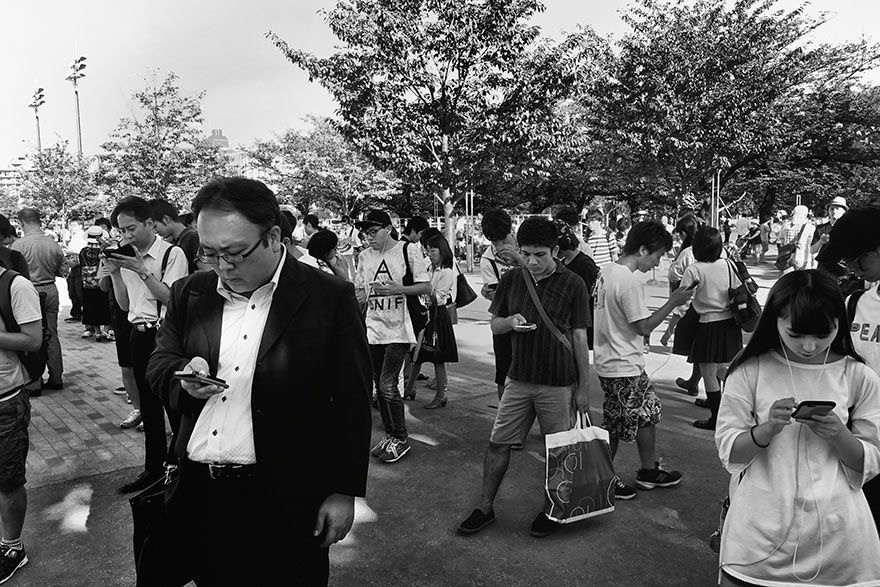
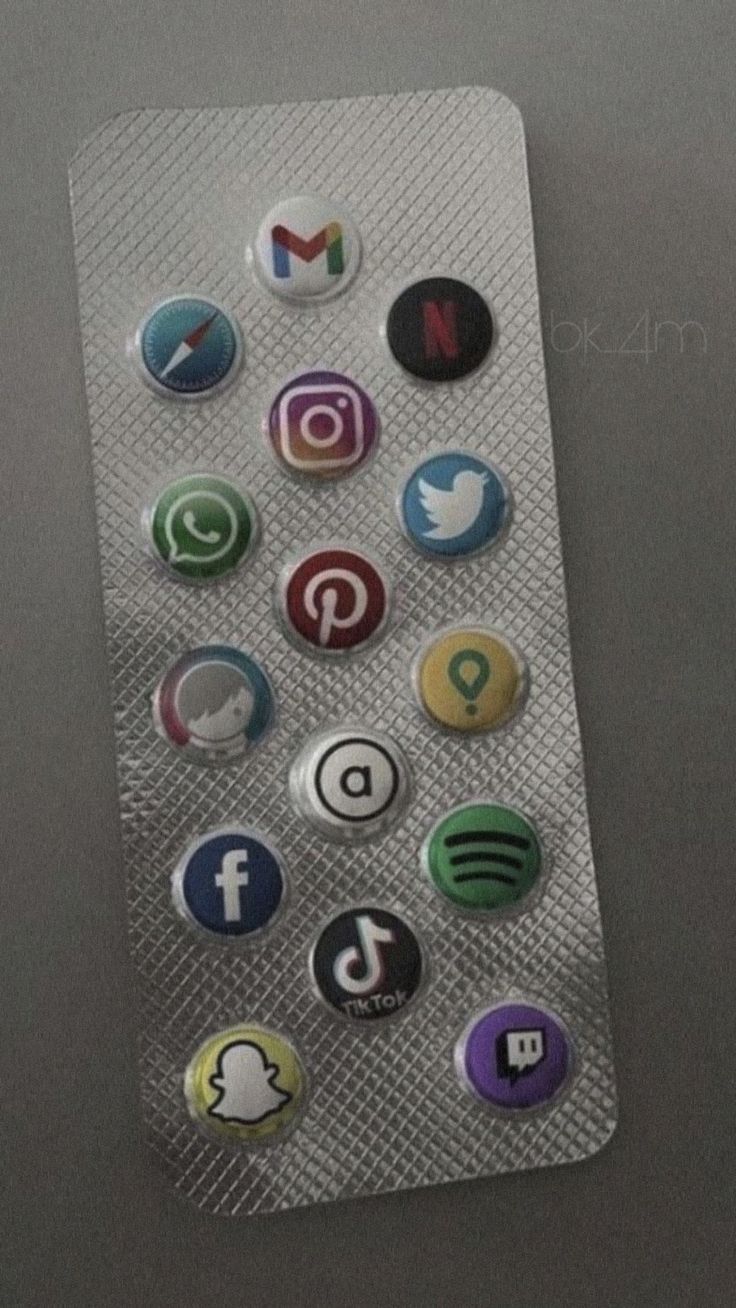
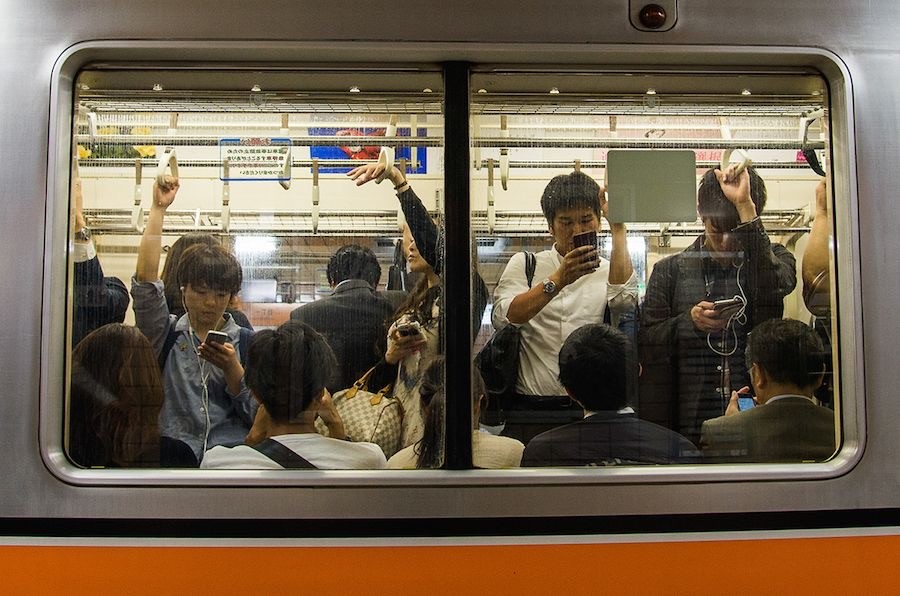
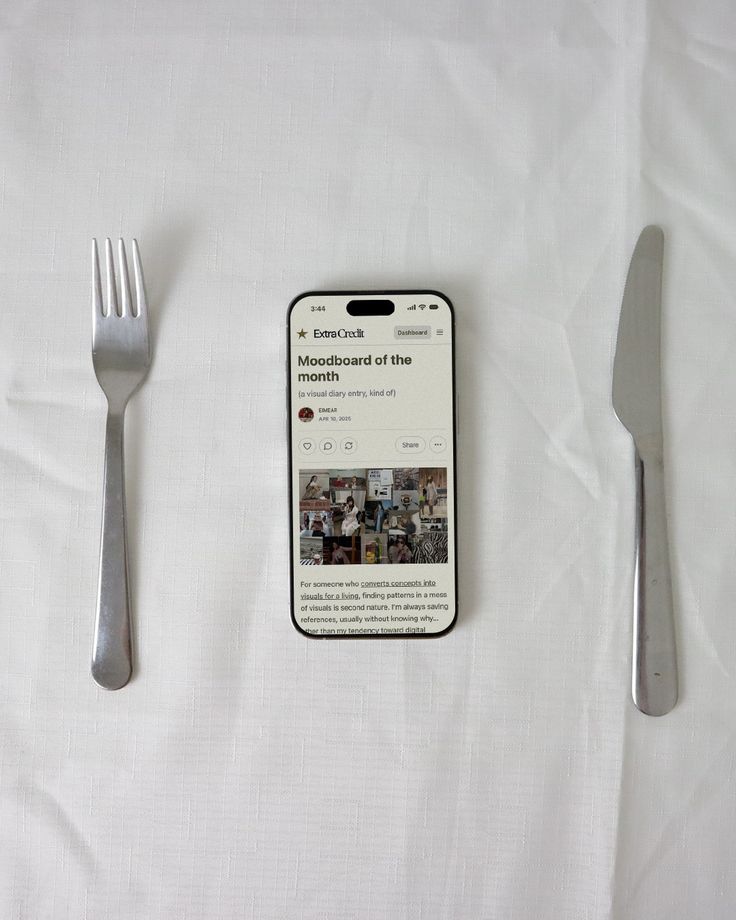
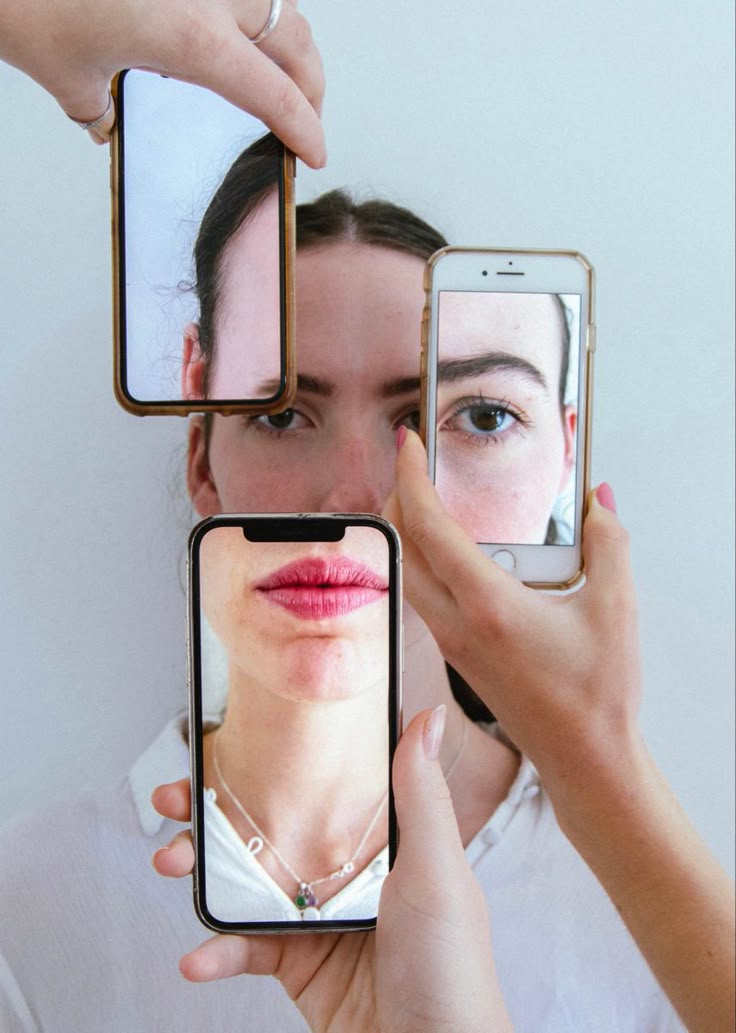
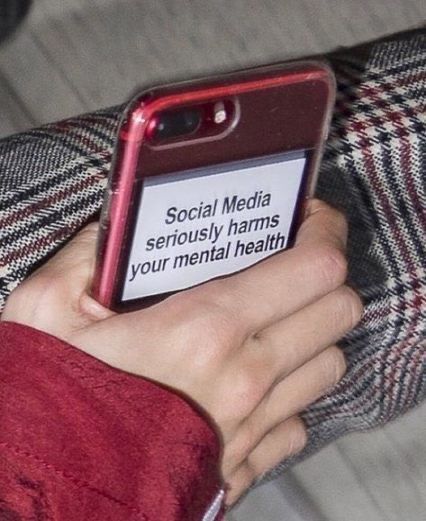
Research has increasingly evidenced the harmful effects of excess social media usage, and that's just the tip of the iceberg.
According to an independent study, over 70% of the Australian population believed social media to cause more problems than it solved.
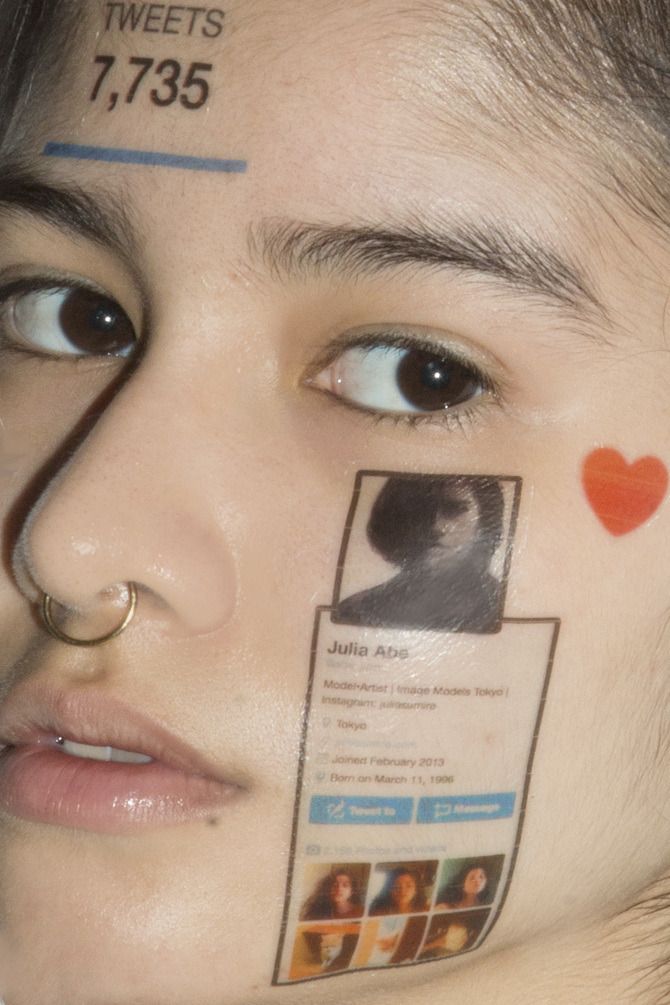
Excess social media usage encourages participants to engage in behaviours such as self—comparison.
This jeopardises psychological well-being, as the constant perception of life through social media identities leaves participants feeling unsatisfied.
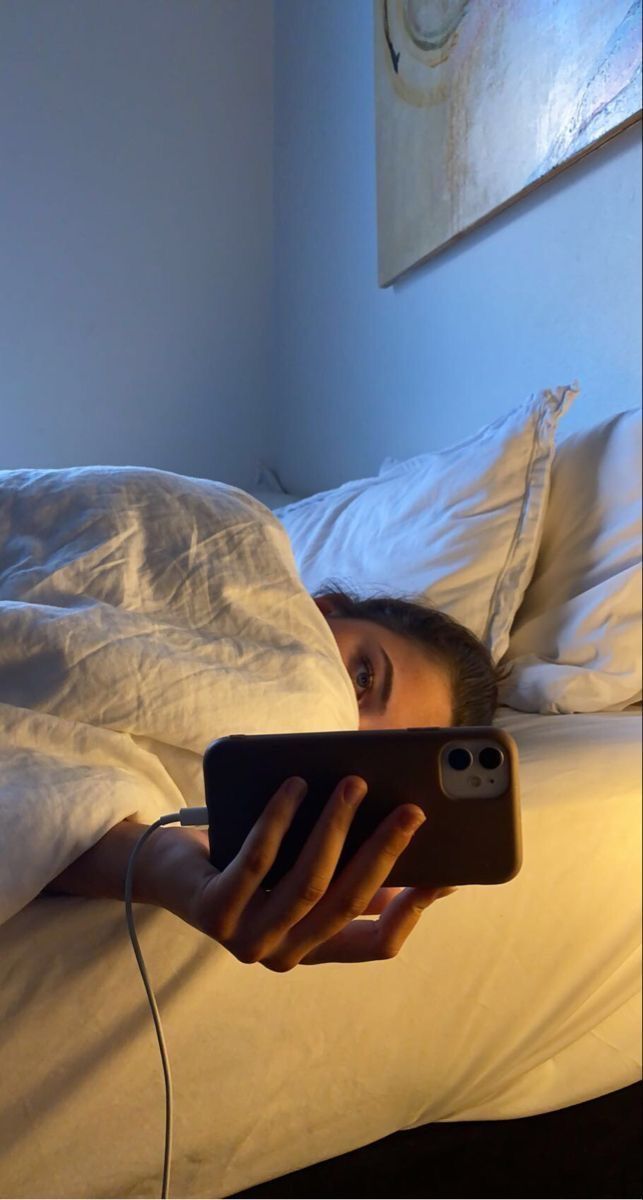
51% of young people admittedly want to disconnect from social media, but experience FOMO—a fear of missing out on news, current events, popular culture, or conversations with friends.
While content consumed online is disproportionately negative for many, 35% of respondents felt inclined to increase their social media usage; revealing stark insights into just how prevailing this phenomenon of FOMO really is.
Hypothesis
Social media inadequately allows users to connect genuinely, and instead, traps them in a cycle of overall life dissatisfaction, and decreased mental health.
So, how might we encourage the fostering of meaningful connection between users, and their humanity in a digitally interactive way?
Process
CHALLENGE
Fall down 7 times, stand up 8.
Creating a large—scale, audio—reactive art installation was extremely out of my depth. Below are some of the main challenges I encountered throughout the design process.
To find a solution, I looked beyond the surface and towards the philosophy of connection, humanity, and the human psyche. Specifically, what meaningful connection represents: belonging, feeling truly seen.
These feelings are most typically experienced human—to—human. Thus, three core community bonds were selected to form the basis of sentimental imagery to be projected: friends, family, and lovers.
The human heartbeat can only be detected within a certain low—frequency range. Ambient noise emitted from external environmental factors such as indistinct conversation and subtle movements inhibits heartbeat sound detection.
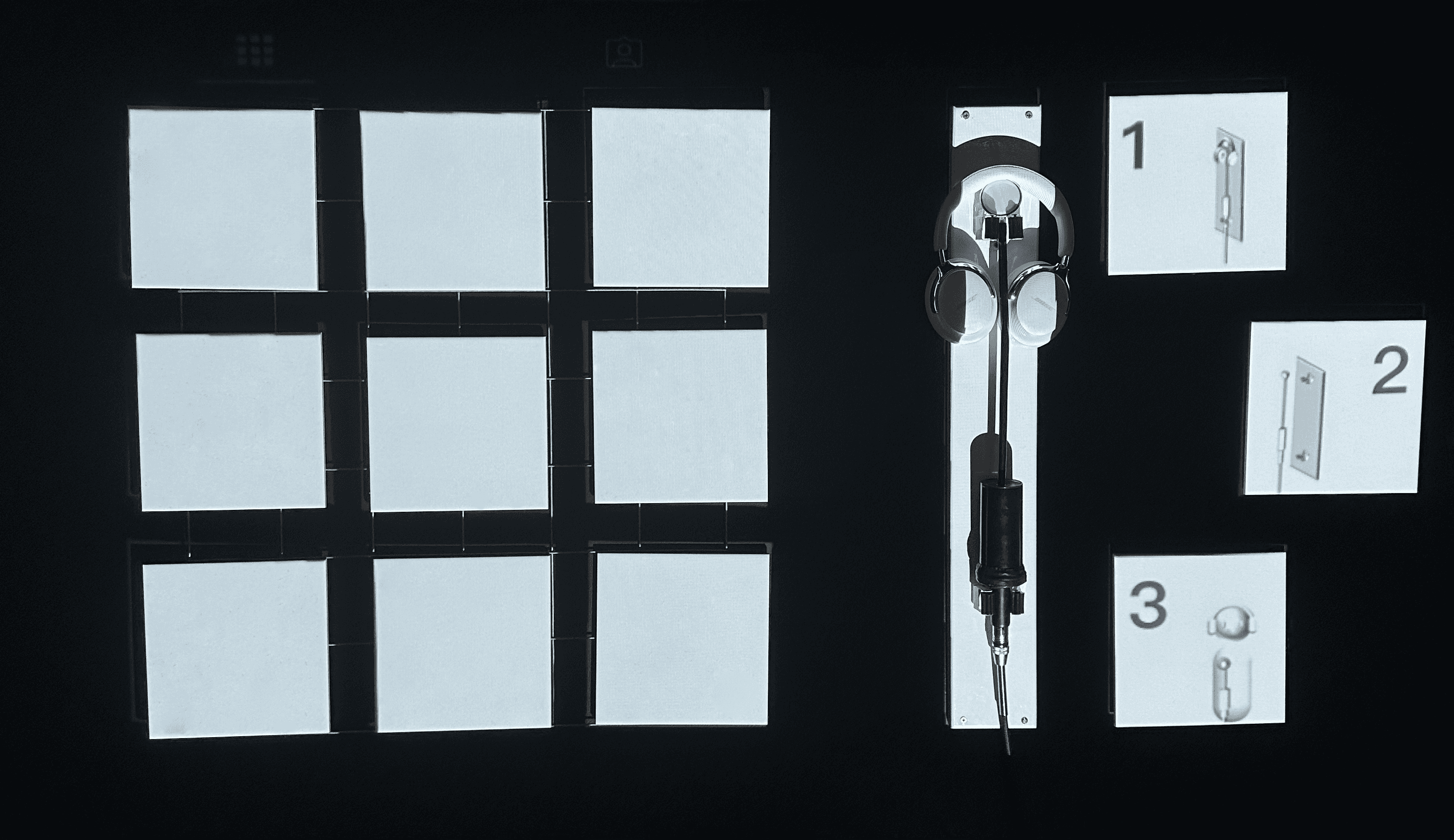
After several troubleshooting attempts, I created a soundproof tubular casing to house the microphone, and insulated it with foam internally. This helped dampen environmental noise, and aided as a protection against movement and handling sounds.
Initially, I intended on having randomised visuals appear with each heartbeat sound amplified. However, configuring randomised video playback upon audio—reactivity detection was a challenge I wasn't able to overcome by solving through. Instead, I had to find a way around.
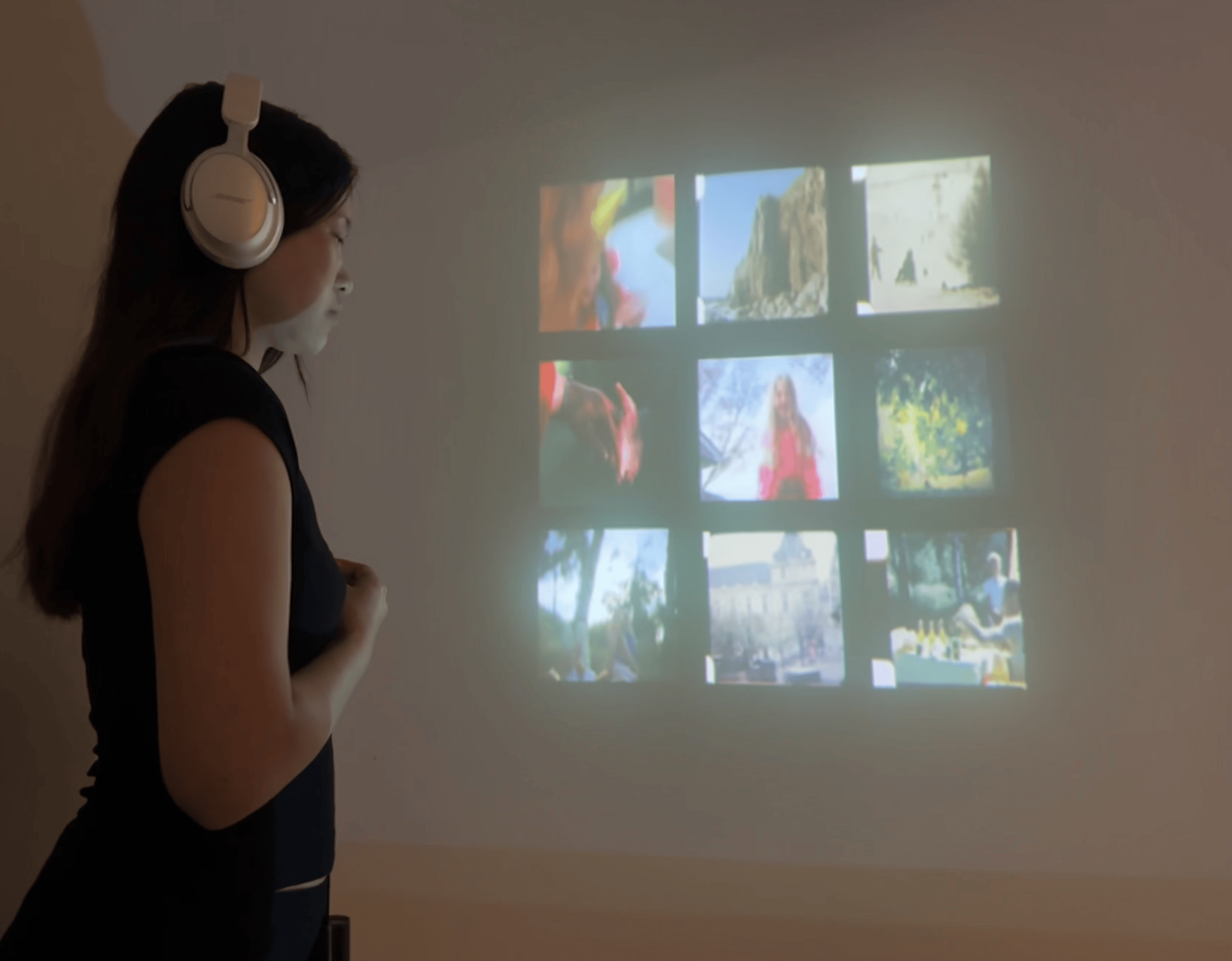
I simulated randomisation by creating a series of nine video playlists, each with the same set of videos arranged in alternating orders. I connected each of these playlists to sound—based triggering switches, so that with every heartbeat sound, a different video would be projected.

FINAL DESIGN
impact
future

©2026
FOLIO
LEMAN
DESIGN